

Source & Disclaimer: This article is based on information from the cited source and is provided for general informational purposes only. The views and information presented are those of the original source and do not necessarily represent the views of LUBIMAX™.
Lubricant distributors serve as an important link between additive manufacturers and finished-oil producers. For blenders, formulators, and procurement teams operating in Turkey, selecting an appropriate supply channel can influence supply continuity, technical support, order flexibility, and overall sourcing efficiency. This article examines how additive packages reach Turkish blenders, the role of regional distributors, and the key factors to consider when evaluating a distribution partner. It also provides an overview of how global lubricant additive brands can participate in the Turkish market through different supply models. The aim is to provide industry professionals with a practical framework for evaluating sourcing options based on technical and commercial considerations, rather than price alone.
What a lubricant distributor does in Turkey
A lubricant distributor performs two core functions between the manufacturer and the end user. The first is supply and logistics, the second is technical support. The distributor holds stock of the additive packages and base oils it buys from global manufacturers, manages customs and warehousing, and delivers on a regular schedule to blenders in Turkey. This means a blender does not have to carry the financing and inventory burden of large-volume importing on its own.
The second function is technical. A capable distributor shares product specifications, treat rates, and compatibility data, provides samples, and bridges the manufacturer and the blender when formulation issues arise. In the Turkish market, lubricant distributors are not merely intermediaries that move product. They are supply partners that also provide technical guidance. This dual role is why choosing a distributor is not a matter of price comparison alone.
The logistics dimension carries particular weight in Turkey. Imported additive packages and base oils

require customs clearance, suitable storage conditions, and on-time delivery. By taking on this process, the distributor lets a blender keep production running without interruption. Offering flexible order quantities also allows small and mid-sized producers to source without committing to large one-off purchases. In this way the distributor eases both the financial and the operational load.
An overview of Turkey’s lubricant distribution market
Turkey’s lubricant market has a developed structure that holds both domestic producers and international brands. These companies produce their own finished-oil brands and distribute through wide dealer networks. For the scale of automotive lubricant demand, data from the Automotive Manufacturers Association (OSD) can serve as a reference point.
On the demand side, the market splits into several segments. Automotive oils, industrial oils, marine oils, and greases each have different performance requirements. Every segment calls for different additive packages at the blending stage. This variety requires distributors to hold a broad product range locally and to steer the technically correct product to the right blender.
On one side are the brand and dealer networks that carry finished oil to the end user. On the other are the distributors that supply blenders with the additive packages and base oils used to produce those oils. The area of interest of LUBIMAX™ is the second tier, that is additive supply to blenders.
How oil additives reach Turkish blenders
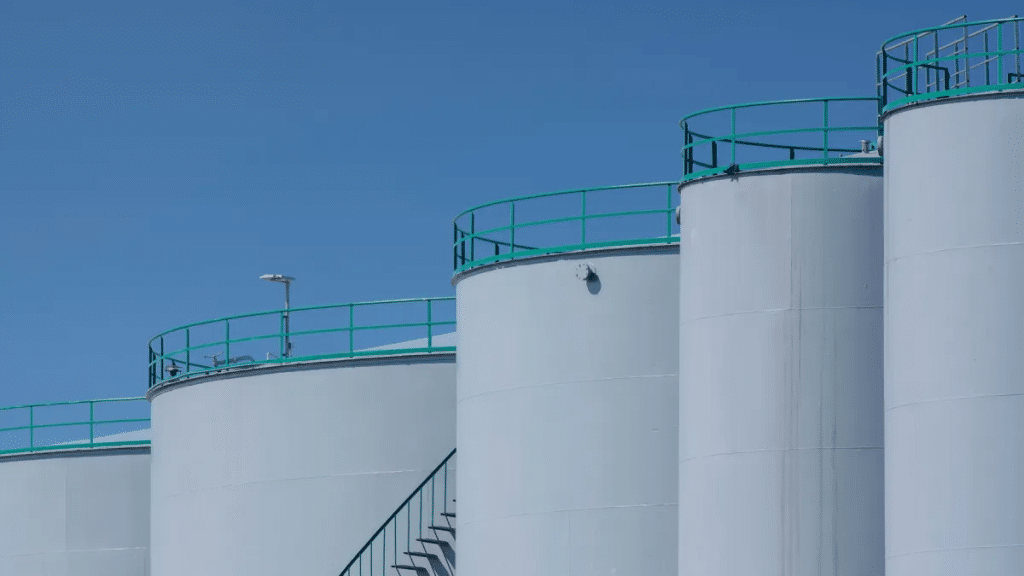
To produce finished oil, Turkish blenders mix base oil with oil additives at set ratios. These additive components are supplied as packages that contain anti-wear, detergent, dispersant, and viscosity-modifying elements. Additive packages reach blenders in three main ways.
The first is the in-house sourcing and research structure run by the largest producers. As scale grows, some companies work directly with global additive manufacturers. The second is direct import from global additive manufacturers. The third, and the most common in the Turkish market, is supply through regional lubricant distributors. The distributor holds the global manufacturer’s product locally and offers the blender shorter lead times, local technical support, and flexible order quantities. For mid-sized blenders this channel removes the high minimum order quantities and financing barriers that direct import brings. The right channel depends on the blender’s scale and technical needs.
The choice among these three channels rests on a balance of cost and control. Large producers that import in-house hold the highest control over the supply chain, but that model demands high volume and a strong purchasing infrastructure. The regional distributor model gives up some control in exchange for flexibility, local stock, and technical guidance. For most Turkish blenders the best fit is a combination of these models. Strategic, high-volume products are sourced directly, while specialty or low-volume additive packages are supplied through a distributor.
Criteria for choosing a lubricant distributor in Turkey
Choosing the right distribution partner requires Turkish blenders to weigh technical and commercial criteria together.
Technical compatibility. Additive packages must match the specifications the target finished oil has to meet. For automotive oils, the API service categories (SP, SN, SL) and the ACEA oil sequences are internationally accepted performance benchmarks. The distributor is expected to document that its additive packages support these specifications.
Compliance with standards. In Turkey, the Turkish Standards Institution (TSE) is the reference for product and quality standards. A supplier’s compliance with the relevant standards and certification processes is a marker of quality assurance.
Supply security. For uninterrupted production, it is critical that the distributor holds local stock and meets lead times consistently. Strong chemical suppliers are the parties that can maintain continuity of supply despite fluctuating demand.
Commercial terms. Payment terms, minimum order quantities, and price stability are decisive factors for procurement teams. A local distribution partner can offer more predictable commercial terms under fluctuating exchange rates and supply conditions. That predictability is valuable for long-term production planning.
Technical support. A good distribution partner does not only sell product. It also provides formulation support, samples, and application guidance. This support carries particular value during new product development. These criteria should be weighed together rather than in isolation, because a supplier offering only the lowest price may be weak on lead time or technical capability, and that raises total cost over the long run.
The position of LUBIMAX™ as a global brand available in Turkey
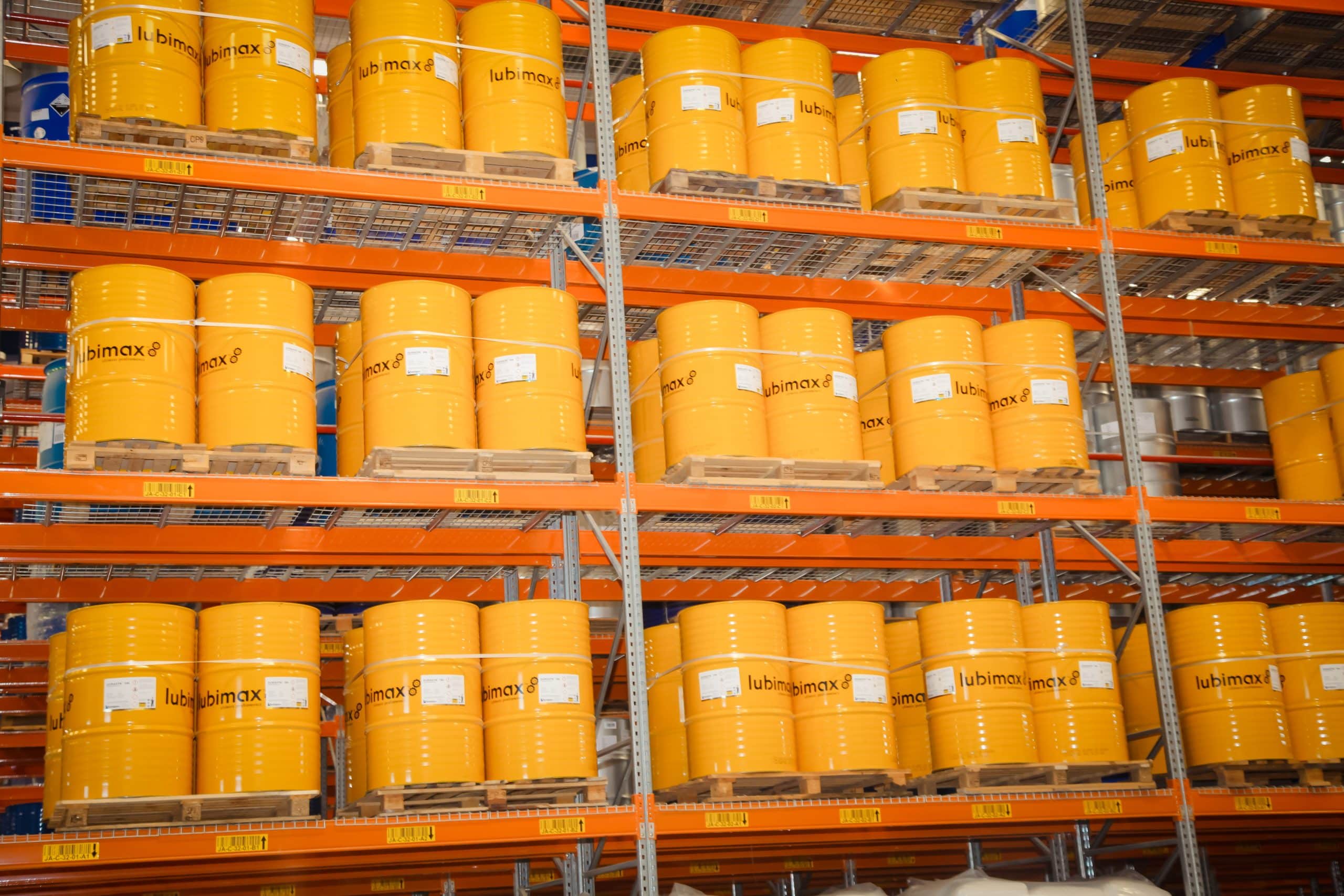
LUBIMAX™ is a global lubricant additive brand owned by the Coraplus group. Turkey is a target market that LUBIMAX™ serves through regional distribution channels. LUBIMAX™ products are made available to Turkish blenders through a regional distribution structure.
This positioning places LUBIMAX™ as one additive package source within the ecosystem of lubricant distributors in Turkey. Global production standards and consistent product quality mean access, for Turkish blenders, to additive packages that meet international specifications. The LUBIMAX™ range covers additive packages and additive components. For the full distribution scope and local stock conditions in the Turkish market, contact LUBIMAX™.
For Turkish blenders, the advantage of this model is reaching a global supply source with the ease of local access. Additive packages that meet international specifications, combined with the lead time and technical support a regional distribution structure provides, give the blender both quality and operational flexibility.
In short, choosing a lubricant distributor requires weighing technical compatibility, compliance with standards, supply security, and technical support alongside price. Reaching a global additive brand through local distribution gives Turkish blenders both international quality and local sourcing flexibility together.
Frequently Asked Questions
What is the difference between a global manufacturer and a regional distributor?
A global manufacturer develops and produces additive packages. A regional distributor holds those products in the local market, manages customs and logistics, and offers the blender shorter lead times together with local technical support. In this way the distributor acts as the commercial and technical bridge between the manufacturer and the blender.
How do Turkish blenders source additive packages?
Turkish blenders source additive packages in two ways. Large producers can import directly in-house. Mid-sized blenders usually source through regional distributors, because that channel provides more flexible order quantities, local stock, and shorter lead times, which together reduce the financing and inventory burden that direct importing carries.
What specifications should a Turkish blender look for?
For automotive oils, the API service categories (SP, SN, SL) and the ACEA oil sequences are the core performance benchmarks. In Turkey, the Turkish Standards Institution (TSE) references are also taken into account. Target viscosity grade and OEM approvals matter in the choice too. The distributor is expected to prove its additive packages support these specifications in documented form.
How does LUBIMAX™ reach the Turkish market?
LUBIMAX™ is a global additives brand owned by the Coraplus group, and it serves Turkey through regional distribution channels. LUBIMAX™ makes its products available to Turkish blenders through a distribution structure.
What is the most important criterion when choosing a lubricant distributor?
No single criterion is enough. Technical compatibility, compliance with standards, supply security, and technical support should all be assessed together. Focusing only on price risks overlooking critical factors such as lead time and formulation support. A reliable supply partner provides all of these elements together rather than one in isolation.
Reference list
Standards and specifications
• API Oil Categories. https://www.api.org/products-and-services/engine-oil/eolcs-categories-and-classifications/oil-categories
• API 1509, Engine Oil Licensing and Certification System, 24th Edition, July 2026. https://www.api.org/products-and-services/engine-oil/documents/api-1509-documents
• ACEA Oil Sequences 2023, light-duty engines. https://www.acea.auto/publication/acea-oil-sequences-2023/
• ACEA Oil Sequences 2024 Revision 1, heavy-duty engines. https://www.acea.auto/publication/acea-oil-sequences-2024-heavy-duty-engines/
• Turkish Standards Institution (TSE). https://www.tse.org.tr/hakkimizda/
Industry and market data
• ATC Document 118, Lubricant Additives: Use and Benefits. https://www.atc-europe.org/public/Document%20118%20-%20Lubricant%20Additives%20Use%20and%20Benefits.pdf